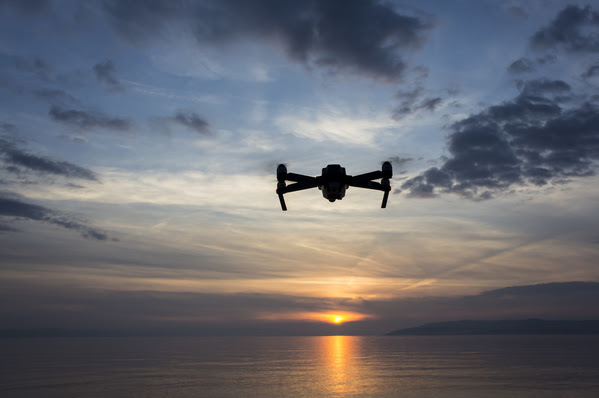
Most Americans are comfortable with the many ways drones are changing our lives for the better, according to new research from the Consumer Technology Association (CTA). The study, Drones: Public Perceptions & Consumer Attitudes, reports three-quarters of U.S. adults are comfortable with drone use by local law enforcement (76%), utility and construction companies (71%) and educational institutions (70%).
“Drones are making work safer and more efficient for professions such as newsgathering, construction, utility inspections and first responders,” said Steven Hummel, senior research analyst, market research, CTA. “At the same time, innovations in technology have made drones more accessible for consumers with enhanced features that can turn anyone into a hobbyist or indoor racing enthusiast. The possibilities of drones are limitless.”
Consumer sentiment about drones is even higher among hobbyists – 86% of drone owners support any adult flying a drone for general purposes. CTA’s latest Consumer Technology Ownership and Market Potential Study shows 13% of U.S. households – some 15.6 million U.S. households – own a drone, up from 10% in 2018. The study also forecasts 12% of households plan to buy a drone in the next year.
Almost all (99%) drone owners use their devices for recreational uses including general purpose flying (72%), amateur aerial photography and videography (55%), and racing (23%). Small- (59%) and medium-sized (58%) drones are most common, and most owners have more than one device.
Other findings include:
Most drone owners are married (56%) with children (60%) and own their home (68%). Current drone owners also tend to live in the South (41%) – especially in suburban areas (45%) – and identify as male (62%).
While only one-third (35%) of U.S. adults are familiar with the Know Before You Fly drone safety education campaign, it has strong brand recognition with current drone owners (63%).
Keeping out of the way of emergency vehicles and operations (89%) and remaining a safe distance from people, other aircrafts and vulnerable property (88%) are most important to consumers, regardless of whether they own a drone.
It’s important to note that these “toy” drones – which weigh less than half a pound – and drones used for racing or indoor use do not require Federal Aviation Administration (FAA) registration and thus are not accounted for in FAA forecasts.
CTA’s consumer study surveyed of over 2,000 U.S. adults. To read the full report, visit CTA.tech.