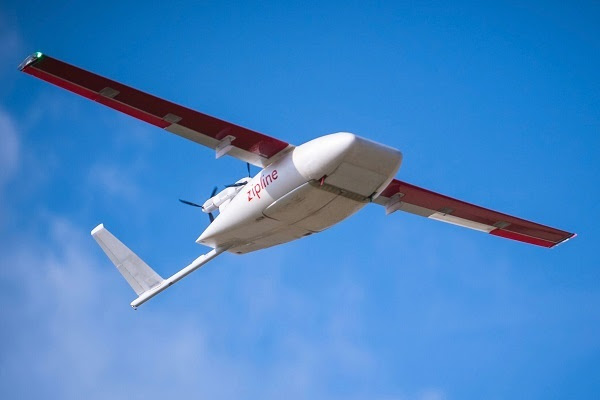
The FAA published airworthiness criteria for the proposed certification of 10 different Unmanned Aircraft Systems (UAS) or drones as special class aircraft. This is a crucial step to enabling more complex drone operations beyond what is allowed under the small unmanned aircraft rule (Part 107), including package delivery.
“The development of airworthy, durable, and reliable unmanned aircraft is a crucial step forward for this innovative sector,” said Dr. Michael C. Romanowski, director of Aircraft Certification Service Policy and Innovation. “Type certification will help increase both public and regulatory confidence in drone technology as operations become more advanced.”
The FAA says the airworthiness criteria provides a level of safety equivalent to that provided by existing airworthiness standards applicable to other categories of aircraft, and establish a defined path to type certification for specific drones. Each applicant seeking a type certificate must follow FAA’s requirements and safety objectives.
Airworthiness criteria notices are published in the Federal Register for the following applicants:
The applicants’ drones range from five to 89 pounds and include several types of vehicle designs, including both fixed wing and rotorcraft, and are all electric powered. Each notice outlines the applicant’s proposed UAS for certification and the airworthiness criteria proposed by the FAA.
The FAA notes that this is a step in the certification process and does not imply these applicants have earned type certificates. Final determination of whether a specific drone meets FAA safety requirements will occur after the applicant demonstrates they have complied with these requirements.
The public has 30 days to comment on each applicant’s airworthiness criteria, and deadlines are specified in each individual notice. The FAA will consider the comments as it establishes criteria for type certifying each UAS and will publish final airworthiness criteria after the comment period closes.