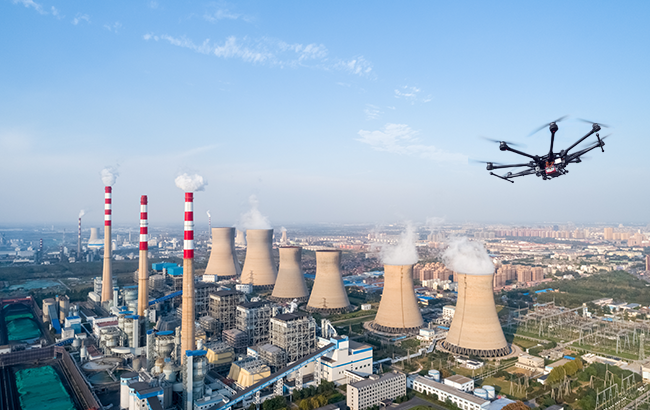
The United States Department of Homeland Security (DHS) recently named AeroDefense’s AirWarden™ Drone Defense technology the recipient of the Developmental Testing and Evaluation (DT&E) Designation under their SAFETY Act (Support Anti-Terrorism by Fostering Effective Technologies Act of 2002).
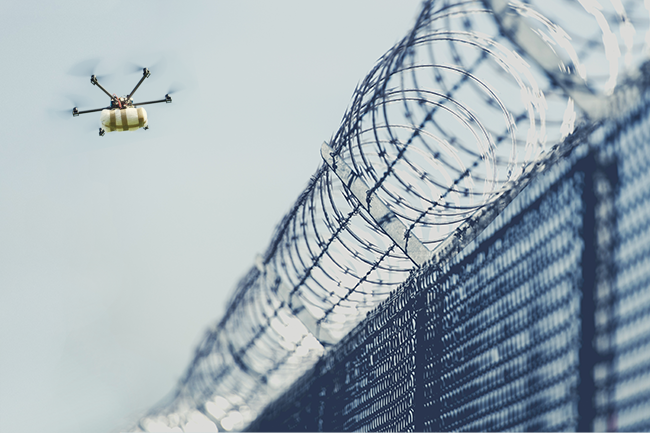
US Congress created the SAFETY Act in the aftermath of the September 11th attacks to encourage the creation and use of Qualified Anti-Terrorism Technologies (QATTs) and provide sellers of these products and services liability protections. The SAFETY Act limits the liability of sellers against injury or damage claims alleging technology failure in the event of a terror attack. Similar claims cannot be brought against users of the QATT. DT&E Designations are awarded to promising QATTs undergoing further testing and evaluation.
Akmal Ali, J.D., Principal at Catalyst Partners, stated “As someone who formerly served as the Deputy Director of the SAFETY Act Office (U.S. DHS) and currently represents companies seeking SAFETY Act, I know how rigorous the DHS review process is. Not only does this SAFETY Act award tell potential and current customers that AeroDefense has an effective tool for combating drone threats, but it also affords them a belt-and-suspenders approach to risk management and valuable liability protections.” Linda Ziemba, CEO at AeroDefense, said “We are thrilled that DHS has placed their confidence in our emerging technology. Not only does their support validate our dedication to continuously improving the AirWarden system, but we are even more excited about what this means for our customers.”
Other drone detection companies have applied for the SAFETY Act, but AirWarden™ is currently the first and only drone detection technology that has received this high honor.
For more information, visit https://www.safetyact.gov/