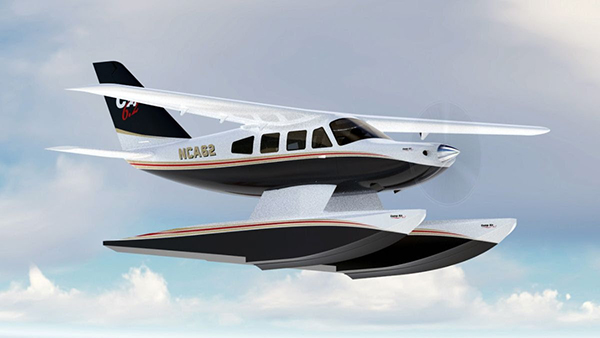
Saying there’s simply nothing like it in the Kitplane world, Comp Air Aviation showed up in Oshkosh with the prototype of the upcoming Comp Air 6.2 high-wing speedster. With the latest technology in terms of both the construction and buildability of the kit and a massive 52-inch-wide cabin, this is the airplane which family flyers will be able to utilize for every aviation adventure.
Comp Air Aviation is a multi-decade veteran of the aviation community and a pioneer in composite aircraft programs ranging from light two-seaters to single-engine turboprops and jets.
The Comp Air 6.2 program benefits from years of experience and the relationship with hundreds of customers (military and civilian), pilots, and builders who have been a part of their efforts throughout. Available with rugged tricycle gear or with a Comp Air Float System, the 6.2 has something to offer for nearly everyone.
The 6.2 is a ‘NO Excuses’ airplane featuring:
- 6 seats in a cabin wider than a 206 (including baggage space)
- Lycon modified 350 HP Lycoming IO 580 power offering 325 HP
- 650 HP Walter Turboprop (optional)
- Standard Airstair for ease of access
- 185-knot max cruise speed
- 2000-pound useful load
- 840 NM range (w/reserve, a 62-knot stall)
- Service ceiling of 15,700 feet
Whether destined to be family transport or a speedy utility aircraft, the 6.2 sets a new standard for the Kitplane community.
Careful attention has been paid to making sure that a builder can do the job properly, swiftly, and with confidence. Modern carbon composite fabrication techniques minimize construction complications while the additional availability of a Builder Assistance Center can all but guarantee a speedy (and worry-free) construction process.