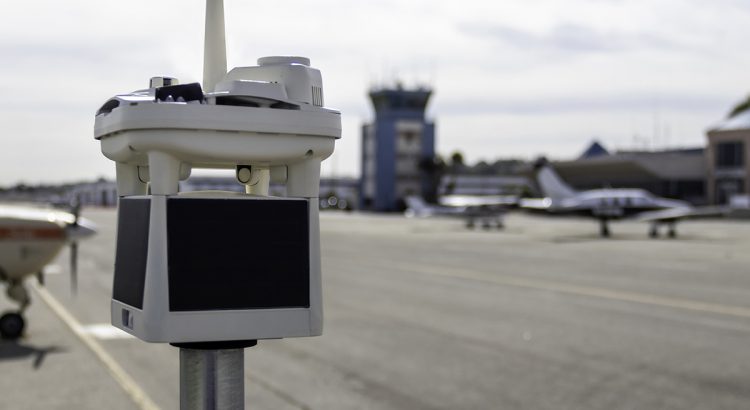
Intellisense Systems, Inc., has introduced the MWS®–C600, the third product in Intellisense’s new Commercial Series of Micro Weather Sensors (MWS®). Since 2016, the U.S. Air Force has deployed hundreds of the military qualified version, the MWS-M620, around the world. Now, similar technology is available for commercial applications and connected over cellular networks. Like all its MWS siblings, the C600 is a true all-in-one weather sensor with processing, solar power, communications, and meteorological sensors, all integrated into a simple, portable unit. The included ceilometer measures cloud height to 10,000 ft, giving users an additional critical parameter to support flight operations.
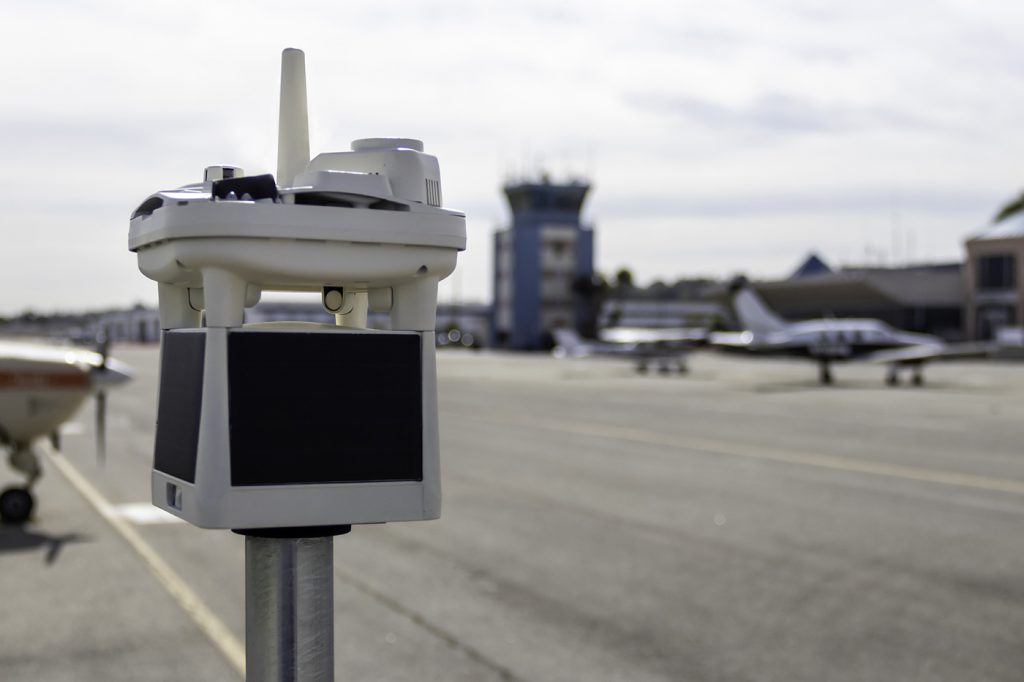
The C600 transmits environmental measurements over cellular LTE-M communications to support cloud-based data logging and instant access to 28 meteorological conditions and parameters. The integrated ceilometer enables hyper-local weather monitoring for aviation applications such as heliports and small, remote, or temporary airfields that do not have the power, budget, or space for an Aviation AWOS system.
“The MWS–C600 is our best commercial weather sensor yet,” said Frank Willis, President and CEO of Intellisense Systems. “It features the world’s smallest LIDAR ceilometer and still is accurate within 1% up to 10,000 feet. Functionally, this has the same capabilities that have supported the Department of Defense at airfields and landing sites around the globe since 2016.”
The C600 does not need wires or external devices, enabling it to be set up and start transmitting in less than 60 seconds. The data it collects and transmits include temperature, barometric pressure, humidity, wind speed and direction, angular tilt, dust accumulation, lightning distance, compass reading, precipitation amount, present weather, GPS location, and cloud height.