
Tecnam has announced that Epic Flight Academy has expanded its modern fleet with the acquisition of two Tecnam P2006Ttwin-engine aircraft.
Founded in 1999 and operating out of multiple locations, Epic Flight Academy is currently recognized as the largest Part 141 flight school in the United States, supporting a robust roster of approximately 600 active flight students. The integration of the two new Tecnam P2006T aircraft will immediately bolster the academy’s multi-engine training capacity.
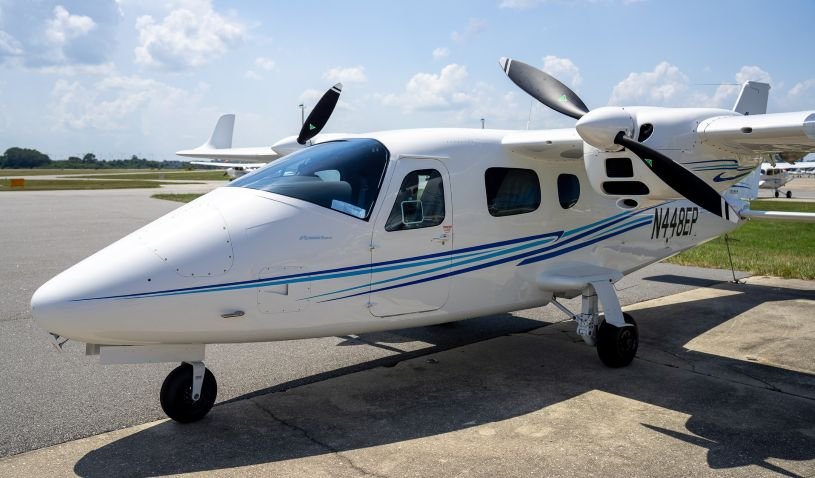
The Tecnam P2006T offers Epic’s students an advanced, highly efficient alternative for their multi-engine ratings. Designed with unparalleled aerodynamics and a state-of-the-art glass cockpit, the aircraft provides an ultra-modern training environment. Furthermore, the P2006T introduces an airframe that is highly appealing to Epic’s diverse demographic of international students, perfectly bridging the gap between basic training and commercial airline operations.
“We are continually looking for ways to make flight training more affordable while maintaining the modern, technologically advanced fleet our students have come to expect from us,” stated Josh Rawlins, COO of Epic Flight Academy.
The P2006T’s exceptional fuel efficiency and low operating costs make it the ideal platform to support Epic’s mission of providing top-tier, cost-effective aviation education without compromising on safety or technology.
Walter da Costa, Chief Sales Officer at Tecnam, added: “It is an absolute honor to see the P2006T join the fleet of Epic Flight Academy, the largest Part 141 flight school in the United States. Their commitment to providing affordable, state-of-the-art training perfectly aligns with Tecnam’s design philosophy. We are incredibly proud to support their growing operations and to play a role in developing the next generation of global commercial pilots.”