Expecting a Drone This Holiday? NCDOT Reminds Operators to Fly Safe and Legal
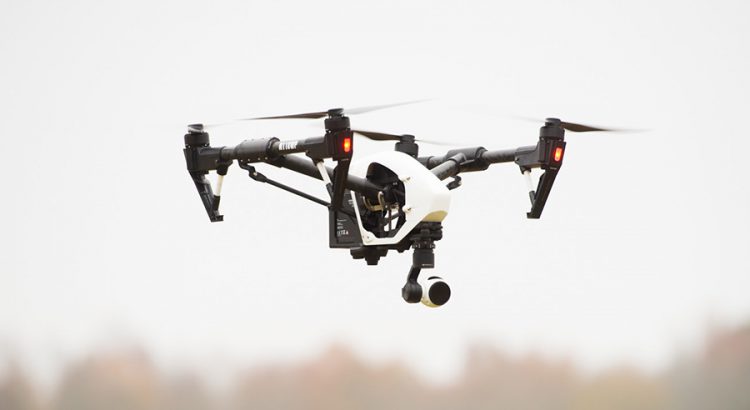
Drones are a popular holiday gift, but it is important that new drone owners take time to know how to safely fly an unmanned aircraft.
More than 30,000 North Carolinians now own and operate drones for recreational use. With this number growing, the N.C. Department of Transportation is reminding drone pilots to follow safety precautions because drones can be dangerous to others if they are not operated properly.

“It’s amazing how much can be done with a drone these days,” said NCDOT Director of Aviation Bobby Walston. “We’ve just got to make sure everyone is aware that they’re more than just a toy and need to be flown responsibly.”
As such, NCDOT’s Division of Aviation has provided the following tips to help pilots make sure they’re flying safely and legally:
- Always fly under 400 feet above ground level
- Never fly near airports
- Avoid flying over events or crowds
- Don’t fly at night, even if your drone has lights
- Never fly directly over people
- Don’t fly near or above prisons
- Respect people’s privacy
- Always keep the drone within your visual line of sight
By following these guidelines, drone pilots can be more confident that their flights are safe and legal. Pilots should also take the time to learn about the state and federal laws governing drones, as well as local restrictions in their area, before taking off.
North Carolinians interested in flying a drone for commercial or government operations must obtain a permit from the N.C. Division of Aviation. Before applying, prospective users must pass NCDOT’s UAS (Unmanned Aircraft Systems) Knowledge Test. The permitting system began in 2016 and is designed to help drone owners better understand restrictions on drone use through a simple and efficient online process.