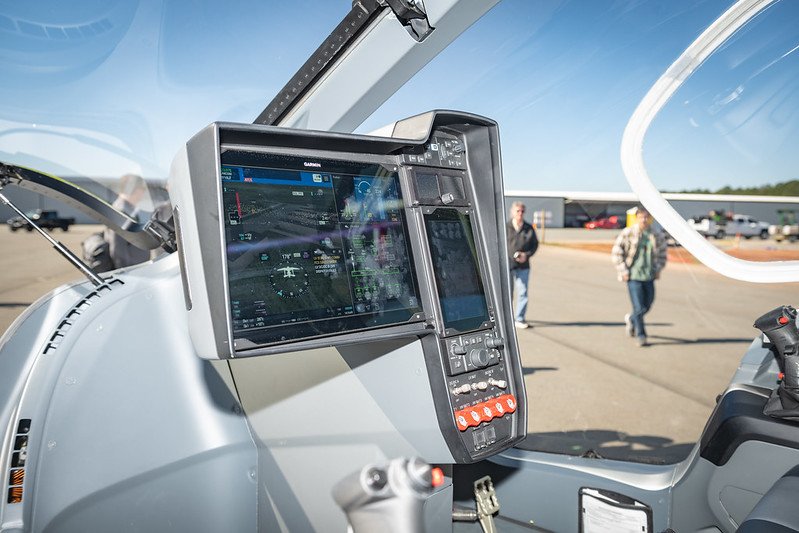
North Carolina achieved an aviation milestone last week when the state’s first electric aircraft charger was used to power an electric aircraft for the first time.
BETA Technologies officials partnered with Raleigh Executive Airport and the N.C. Department of Transportation to bring BETA’s ALIA CTOL aircraft to North Carolina as part of a demonstration of the future of electric aviation.
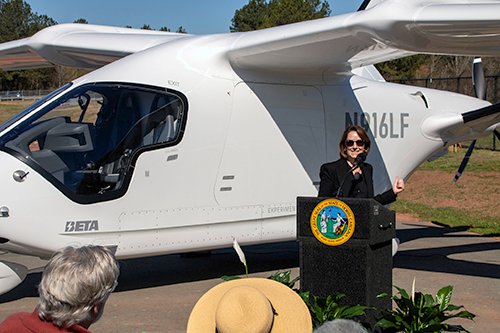
“This is an exciting advancement for North Carolina’s aviation sector,” said Julie White, NCDOT deputy secretary for Multimodal Transportation. “By embracing this infrastructure early, we are positioning our state to be a leader in Advanced Air Mobility, attract business expansion and create new opportunities in aviation.”
The Charge Cube, Level-3 fast-charger that was installed at the Sanford airport, was used to charge the aircraft so it could take off for the company’s headquarters in Vermont after officials celebrated the milestone at the Sanford airport Thursday. The Charge Cube is the state’s first station for charging electric aircraft.
This infrastructure site joins BETA’s expanding nationwide charging network, which now includes nearly 50 sites across the East, West and Gulf coasts.
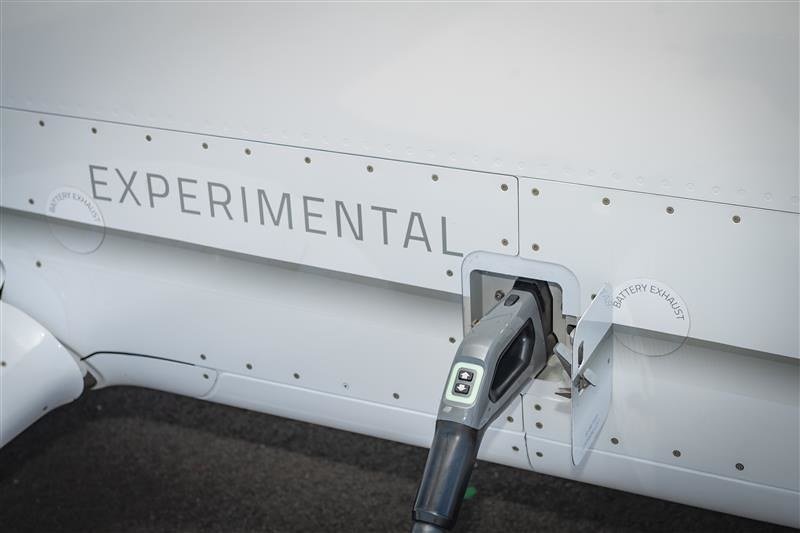
“With this new charging station, Raleigh Executive Jetport is proud to play a role in supporting the next generation of aviation technology,” said Bob Heuts, director of Raleigh Executive Jetport. “As electric aviation continues to evolve, we are committed to providing the infrastructure needed to support its growth.”
BETA flew its aircraft back to Vermont Thursday after its coast-to-coast mission that included stops in New York, California and Florida.

“A little over a year ago, we flew our prototype aircraft through Raleigh Exec on our way to our first military deployment,” said Thea Wurzburg, BETA’s State Relations lead. “It’s special to be here today with our first production aircraft, charging at our new Charge Cube. North Carolina has long recognized the benefits of Advanced Air Mobility, and we look forward to continuing to partner on this next phase of aviation.”
North Carolina has been at the forefront of aviation innovation, from the Wright Brothers’ first flight in Kitty Hawk in 1903 to today’s advancements in electric aviation. With continued investments in advanced air mobility infrastructure, the state is well-positioned to remain a leader in the next era of flight.