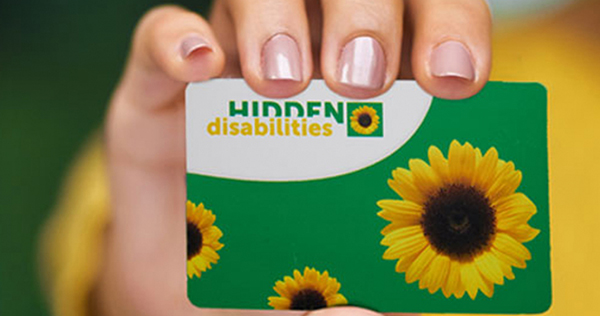
Southwest Florida International Airport (RSW) has joined the Hidden Disabilities Sunflower Program, which is designed to allow travelers to let others know they have a non-visible disability. The Sunflower symbol, printed on a lanyard, badge, hat, wrist bracelet, pin or other branded item, indicates a person may need more assistance.
“Traveling can be stressful, especially for people who need extra help in navigating busy airports,” said Ben Siegel, CPA, C.M., executive director of the Lee County Port Authority. “Using the Sunflower lanyard is a simple way to let airport personnel know someone may need more time and patience. It also demonstrates we care about our guests at RSW and want to make the effort to be helpful and understanding.”
How does the program work? It is voluntary and any traveler that feels they have a hidden disability can request a free Sunflower lanyard/badge at the Visitor Information booths located in the East and West Atriums or Bag Claim from 10 a.m. to 5 p.m. Hidden disabilities can include people with sensory conditions, autism, epilepsy, limited vision, hearing impairment, difficulty walking or standing and more. Once a person has a Sunflower wearable, they can keep it and use it whenever they travel through RSW or any other airport or location that recognizes the program. Please note, wearing a lanyard does not guarantee fast tracking through security or preferential treatment. Passengers are still required to arrange for special assistance with their airline and TSA Cares.