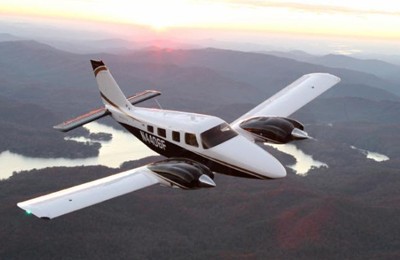
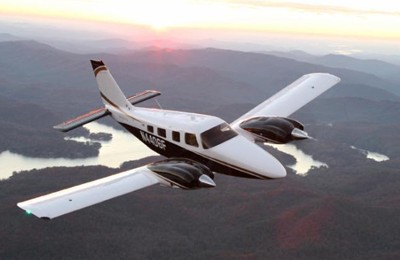
 Piper Aircraft, Inc. has received Amended Type Certificate approval from the Federal Aviation Administration to incorporate the Garmin GFC 700 autopilot system in new Garmin G1000-equipped twin-engine Piper Seneca V aircraft.
“Moving the Twin Class Seneca V equipped with G1000 avionics to the Garmin GFC 700 is another step in giving buyers the most modern cockpit experience possible,” said Piper Vice President of Sales and Marketing Drew McEwen. “The G1000 and GFC 700 will provide Seneca pilots a more sophisticated level of integration for this class of twin and training aircraft.”
Fully integrated with the G1000 glass flight deck, the GFC 700 is an advanced Attitude and Heading Reference System (AHRS) based automatic flight control system that provides flight director, autopilot, yaw damper, automatic and manual electric trim capabilities and brings a high level of digital sophistication to general aviation flight control. Originally designed to fly on turbine aircraft – and incorporating the top-level safety and performance features found on that class of aircraft – the GFC 700’s scalable architecture enables exceptional flight automation, precision and value in piston aircraft.
A fully digital, dual-channel flight control system capable of using the depth and
breadth of data available in the G1000 system, the GFC 700 offers inherent advantages in safety, redundancy and reliability – while optimizing performance over the airspeed envelope. Providing crisp flight maneuvering in response to Garmin’s solid-state MEMS-based AHRS data, the GFC 700 is built to inspire confidence while ensuring optimum smoothness and comfort.