By Patrick Arnzen, CEO of Thrust Flight
If your flight was delayed or canceled this summer, weather or mass travelers probably got the blame. But behind many of the disruptions travelers experience is a staffing problem that reaches across aviation: the industry doesn’t have enough trained people to keep pace with demand.
Boeing’s latest outlook says the industry will need 674,000 new pilots through 2045, up from 660,000 in last year’s forecast, and that number tells only part of the story. Aviation needs pilots in large numbers, but it also needs enough mechanics, dispatchers and air traffic controllers to support every flight those pilots operate.
The shortage goes beyond pilots
I’ve seen this problem from two sides, having flown commercially before moving into aviation training and now leading Thrust Flight, where we train the next generation of pilots and mechanics.
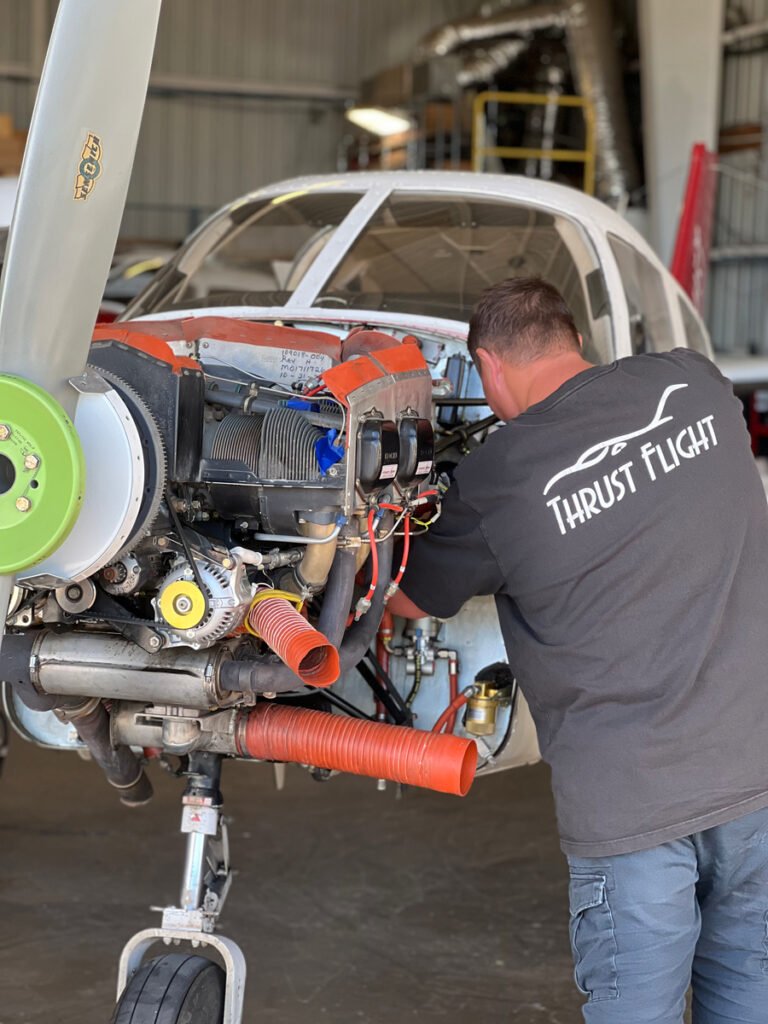
Pilots tend to get most of the attention since they’re the people passengers see walking through the terminal and boarding the airplane, yet every flight still depends on mechanics, dispatchers and air traffic controllers doing their jobs before the airplane ever leaves the gate.
The demand for pilots remains very real, and Boeing’s forecast makes clear how many new aviators the industry will need in the years ahead. At the same time, the people supporting those pilots are under similar staffing pressure, which makes the problem much harder to solve.
Aviation is trying to train enough people across several professions, each with its own certification requirements and years of experience behind it. That process takes time, and the industry can’t simply speed through the training and experience each job requires.
Regional airports feel the cuts sooner
Airlines facing staffing shortages have to make choices about where to use the crews they have, and large markets with strong passenger demand are easier to protect when schedules have to be reduced.
A place like Dubuque or Eau Claire is more vulnerable than New York or Dallas when an airline starts cutting flights. A route serving a smaller city may already operate with limited frequency or tighter economics, so losing one crew can mean losing the day’s flight.
I’ve watched that happen in communities where passenger demand isn’t large enough to guarantee a full airplane every day. For residents, the impact goes well beyond an inconvenient drive to another airport since air service connects local companies with customers and suppliers, helps employers recruit people and gives residents access to the rest of the country without adding hours to every trip.
Smaller airports often have less staffing flexibility, too, since a major hub can draw from a deeper bench when someone calls out or a crew times out. A regional airport may have far fewer options available, which means one missing person can affect an entire day’s operation.
That difference leaves regional service more exposed when staffing shortages spread across the aviation ecosystem.
Experience still takes time
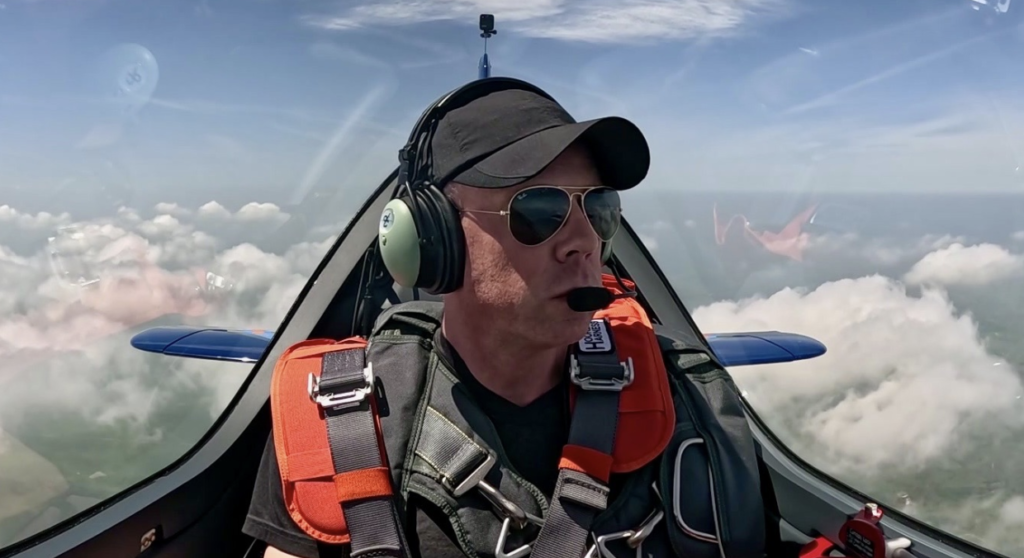
Airlines can add airplanes faster than the industry can produce experienced people, and that timing problem sits at the center of the staffing issue.
A new aircraft can enter service within a few years, but training a pilot, mechanic, controller or dispatcher to work independently takes sustained instruction and real experience. Technology can make parts of that process more efficient, but it can’t replace the time people need to learn the job.
A pilot needs hours in the cockpit before an airline will trust that person with passengers. A mechanic needs hands-on experience before signing a maintenance log carries the weight it should, and a controller needs supervised time handling real traffic before working independently. A dispatcher has to learn how real-world conditions affect a flight plan before taking full responsibility for one, and that judgment develops through experience.
Those skills are built over time, which is why technology alone won’t solve aviation’s staffing problem. Better tools can help a short-staffed operation get through this month’s schedule, but they can’t create an experienced workforce overnight.
The industry has to use the people it has more effectively now while training far more people for the years ahead.
The shortage is creating careers too
There’s another side to this problem that deserves more attention since aviation needs people, and many of the careers facing shortages have clear training paths that can lead to work much sooner than many people realize.
At Thrust Flight, we’ve built accelerated pilot training programs around that need. The goal is to give students a focused path from little or no flight experience to the certificates and hours they need to begin building an aviation career, without stretching the process over more years than necessary.
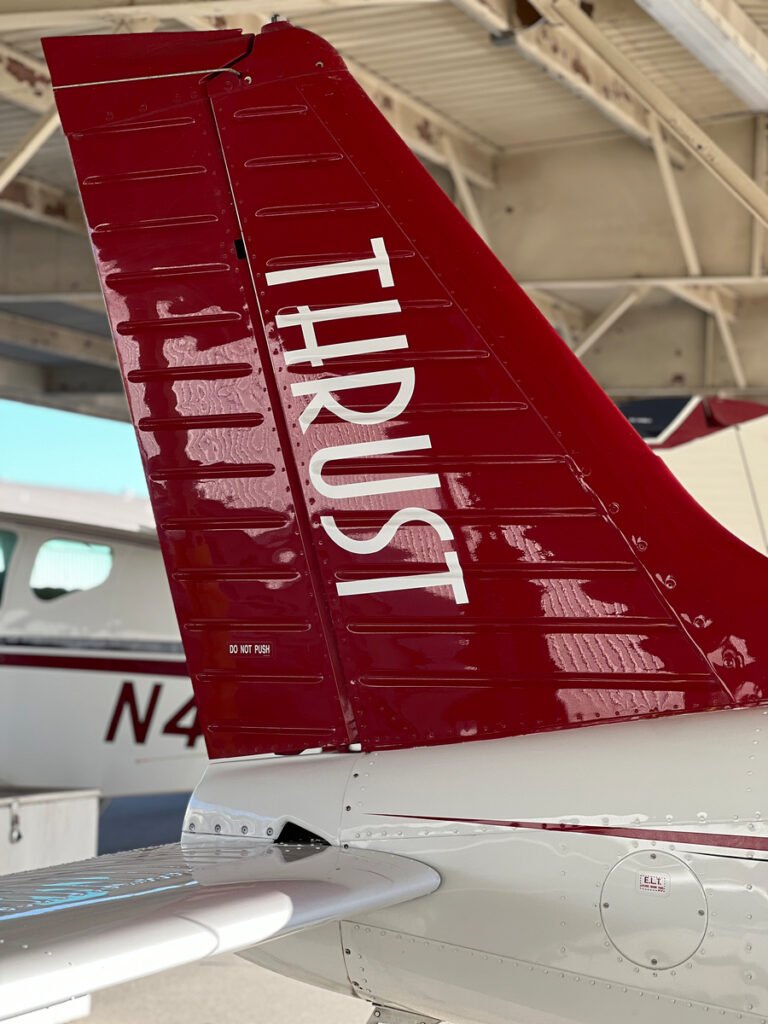
I see people make that transition every day. Some arrive knowing they’ve wanted to fly for years, while others discover aviation later and realize there is a practical route into the cockpit. The same workforce need exists for aircraft mechanics, dispatchers and controllers, where training and certification can lead to long-term careers without following a traditional four-year college path.
That matters for regional communities in particular. Some of the students entering aviation today come from the same kinds of smaller cities that stand to lose service when staffing gets tight. Training more pilots and technicians gives those students a career path while helping the industry build the workforce needed to keep those communities connected.
National Aviation Day is Aug. 19, marking Orville Wright’s birthday and more than a century of American flight. It’s a good time to think about what aviation will need in the years ahead, especially as more airplanes enter service and passenger demand continues.
The industry has aircraft coming and passengers ready to fly, but keeping those flights moving will depend on whether enough pilots, mechanics, dispatchers and controllers are trained and ready to do the work.
Patrick Arnzen Bio

A former airline pilot, and designated pilot examiner (DPE) since 2012, Patrick has built and run several aviation businesses over the course of his career. He currently serves as the CEO of Thrust Flight, a multi-location flight training organization that has trained thousands of pilots from around the world. This rapidly expanding flight school operates the popular Zero Time to Airline program that trains future airline pilots.