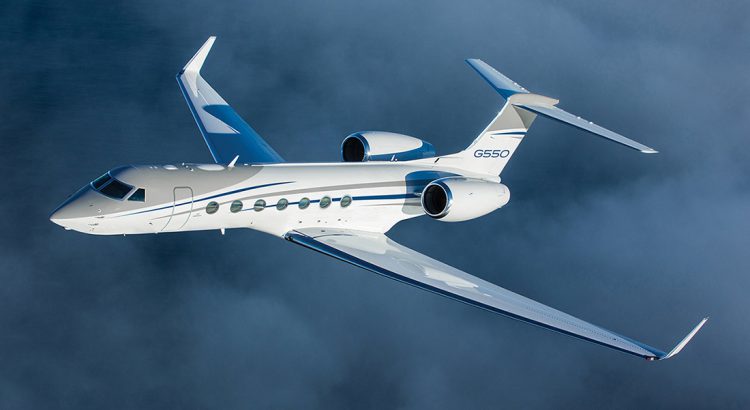
As the demand for business aviation remains strong, fractional aircraft ownership has emerged as a compelling option for individuals and businesses seeking the benefits of private aviation without the full cost and responsibility of owning an entire aircraft. However, making informed decisions about fractional ownership are important as potentially millions of dollars are on the line and there are numerous complexities in the process.
“Fractional ownership is an excellent option for people or businesses flying privately at least 50 hours a year,” says Nick Copley, President of SherpaReport, a comprehensive, independent source for in-depth information about the private aviation market. “Once they have established, they fall into that category, they should take these top 10 considerations under advisement,” he explains.
Is fractional ownership the right product (vs. charters, jet cards or full aircraft ownership)?
- What type of plane?
- Which fractional operator?
- What are the real costs?
- How old and well maintained are the operator’s planes?
- What is the share’s resale value?
- Do the preferred aircraft type have enough connectivity?
- Is the plane available?
- What are the tax implications?
- Are there extra terms and added benefits?
“Making an informed decision involves thorough research, consultations with aviation experts, and a clear understanding of your travel needs and preferences. By considering at least these 10 factors, individuals and businesses can navigate the complexities of fractional ownership and enjoy the benefits of private aviation,” says Copley.