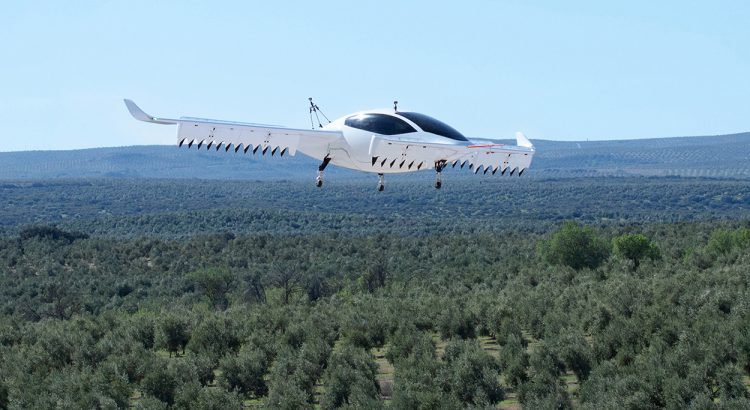
Lilium N.V., developer of the first all-electric vertical take-off and landing (“eVTOL”) jet, today announced that it has begun the next phase of flight testing in Spain with its 5th generation technology demonstrator, Phoenix 2.
Over the coming months at the ATLAS Flight Test Center, Lilium plans to extend the flight envelope through full transition and high-speed flight. These developments come after successful flight testing with the same aircraft in southern Germany last year.
Lilium also plans to introduce an additional demonstrator aircraft, Phoenix 3, which is scheduled to arrive in Spain for first flight this summer. This aircraft is expected to significantly accelerate the flight test campaign, allowing Lilium to increase learnings and reduce program risks.
Together with excellent weather conditions, the ATLAS Flight Test Center provides optimal infrastructure and enables aircraft to fly over a large, unpopulated area while transitioning fully to high-speed wing-borne flight. The modern facilities and support from the Andalusian Foundation for Aerospace Development (“FADA”) and Center for Advanced Aerospace Technologies (“CATEC”) have been instrumental in setting Lilium up for a successful flight test campaign.
Daniel Wiegand, Co-Founder and CEO of Lilium said: “We are excited to have kicked off our next phase of flight testing in Spain. This step takes us even closer to reaching our goal of creating a sustainable and accessible mode of high-speed, low noise regional air mobility.”