Spartan College of Aeronautics and Technology has announced that 13 students from its Tulsa campus aviation flight and aviation maintenance technology programs have been selected as recipients of scholarships through the Mike Rowe WORKS Foundation’s Work Ethic Scholarship Program.
The nationally recognized scholarship program supports hardworking individuals pursuing training for careers in the skilled trades and essential industries that help keep America moving. Recipients are selected based on their commitment to personal responsibility, strong work ethic, and dedication to mastering in-demand skills.
“These students represent the determination, discipline, and work ethic that define both the aviation industry and the skilled trades,” said Rob Polston, Chief Executive Officer of Spartan Education Group. “We are incredibly proud to see our Tulsa students recognized by the Mike Rowe WORKS Foundation and look forward to the impact they will make in the aviation industry.”
The following Spartan College Tulsa campus students were awarded scholarships through the Mike Rowe WORKS Foundation’s Work Ethic Scholarship Program:
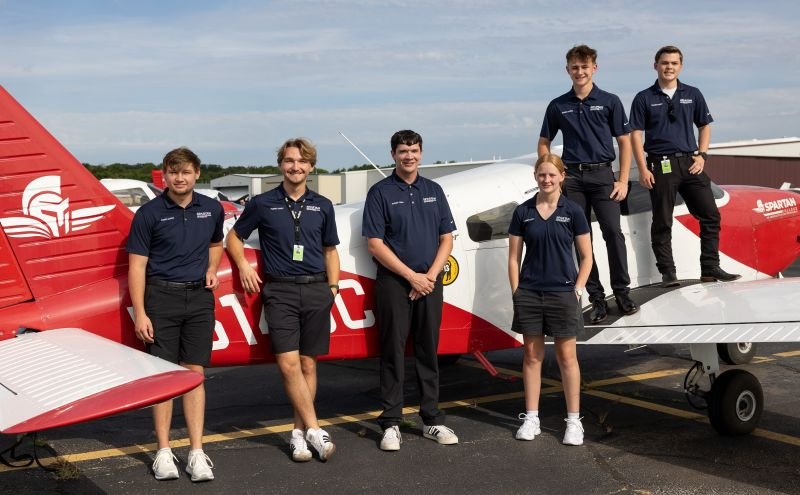
Aviation Flight Recipients
- Chase White
- Braden Evans
- Jaiden Graves
- Owen Wright
- Gabriel Hahn
- David Sandbach Jr.
- Nolan Ploutz
- Averry Cannon
- Rose Biggs
- Ian DeArmond
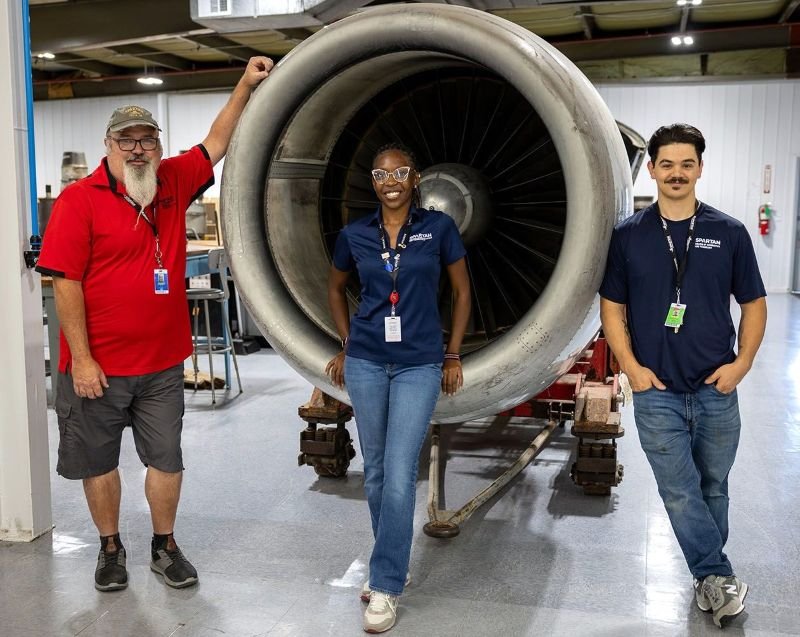
Aviation Maintenance Technology Recipients
- Benjamin Ellis
- Derick James
- Shelby Mulama
The Mike Rowe WORKS Foundation’s Work Ethic Scholarship Program was created to help address the nation’s skilled labor gap by investing in students pursuing careers that require technical expertise, hands-on training, and a commitment to excellence. The program supports students preparing for careers across skilled industries, including transportation, manufacturing, construction, and aviation.
The recognition comes as the aviation industry faces sustained demand for skilled professionals. According to Boeing’s 2026 Pilot and Technician Outlook, the global commercial aviation industry will need approximately 674,000 new pilots and 728,000 new maintenance technicians over the next 20 years. Boeing notes that effective training and an adequate supply of qualified personnel will remain critical to supporting the safety and growth of the global aviation ecosystem.
Spartan’s History Includes Nearly a Century of Aviation Training in Tulsa
Spartan College’s history in Tulsa dates back to 1928, when the institution was founded as Spartan School of Aeronautics. Since its founding, Spartan has played a longstanding role in aviation education and training, preparing generations of pilots and aviation technicians for careers in the industry.
Over nearly a century, Spartan has trained more than 100,000 pilots and technicians, with students coming from all 50 states and more than 40 countries. Today, the Tulsa campus continues that legacy by offering hands-on aviation training designed to prepare students with the technical knowledge and practical skills used in the aviation industry.
The recognition of these 13 Tulsa students through the Mike Rowe WORKS Foundation’s Work Ethic Scholarship Program reflects Spartan College’s continued commitment to aviation education and supporting students as they prepare to enter an industry with ongoing workforce needs.