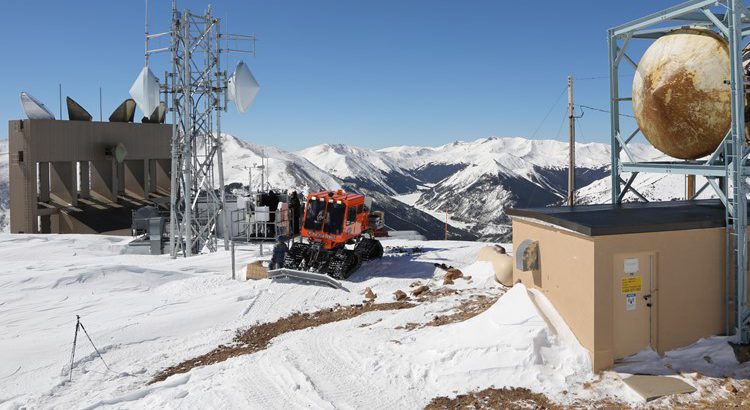
Photo by Shahn Sederberg, Colorado Division of Aeronautics.
The Federal Aviation Administration (FAA) is expanding its highly successful weather camera safety program to Colorado.
The FAA has entered into a cost-reimbursement agreement with the State of Colorado Division of Aeronautics to install weather cameras on 13 Automated Weather Observing Systems (AWOS) in mountainous areas, beginning in the spring of 2020.
These cameras will build on the success of a 20-year-old program in Alaska that has improved safety by providing near-real-time video to pilots from a network of more than 230 cameras across the state. In 1999, the FAA determined that pilots operating under Visual Flight Rules would benefit from actual views of the current weather conditions where they were destined and the FAA Weather Camera Program was born.
The 13 Colorado cameras will be the first to be integrated into the FAA Weather Camera Program outside of Alaska. In addition to the accurate weather information they receive from AWOS, pilots planning to fly above the Colorado Rockies will soon have the ability to see real-time weather conditions along their routes before they depart their airports.
This effort is made possible through a $226,000 reimbursable agreement between the Colorado Division of Aeronautics and the FAA. Under this agreement, the FAA will assist the state with the camera installations, and the state will own and maintain the cameras. The FAA’s weather camera website will display still images that each camera captures.