 The Virginia Department of Aviation is transferring more than $60,000 to the National Air and Space Museum’s Steven F. Udvar-Hazy Center to support aviation education in Virginia.
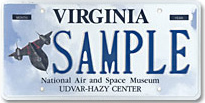
The funds (totaling $61,245 in 2017) were generated through the sale of the museum’s license plate, which features the iconic SR-71 Blackbird aircraft. The license plate is one of the revenue-sharing partnerships of the Virginia Department of Motor Vehicles. For each $25 National Air and Space Museum license plate sold to Virginia motorists, $15 goes to support aviation education at the Udvar-Hazy Center in Chantilly. The Department of Aviation has transferred to the museum $300,000 in license plate funding over the last five years.
“This is a terrific program,” said Mark Flynn, director of the Virginia Department of Aviation. “Aviation enthusiasts across the Commonwealth get an eye-catching Virginia license plate featuring a sleek, black aircraft streaking across it, and their purchases are supporting the outstanding aviation education programs of the National Air and Space Museum.”
Aviation is a $23 billion economic engine that supports 146,660 jobs in Virginia. And numerous studies predict that tens of thousands of well-paying jobs (including pilots, mechanics and avionics technicians) will go unfilled over the next two decades unless more young people are exposed to aviation through such educational programs.
The Udvar-Hazy Center will use the license plate funds to provide the popular Innovations in Flight Day (scheduled for June 16); camps for middle school students to participate in STEM-related activities that include robotics, rocketry and drones, and engagement programs – such as a wind turbine design challenge, Lego Robotics and Family Game Nights – that connect communities to aviation.